


Roofing
Shingles
In our area, we see what are called “three-tab” or “laminated/Dimensional” asphalt shingles. The size, shape and color vary from one to the next, but they are typically manufactured with similar materials and installed in a similar way.
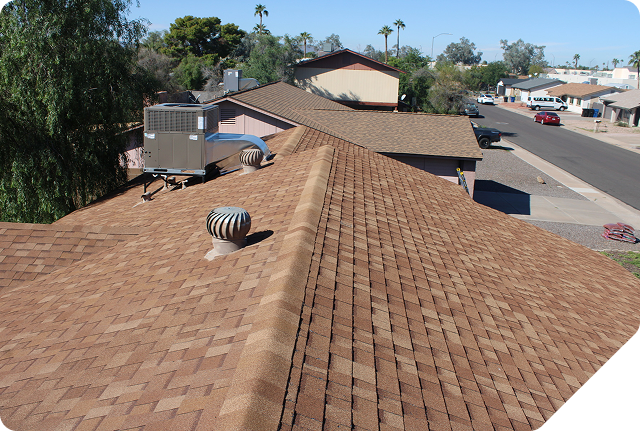
Things we are looking for are:
- Problems with sagging roof trusses or decking
- Leaks, stains and decay
- Granule loss
- Damage to shingles
- If flashings are installed correctly and functioning
- What repairs or maintenance is recommended
Concrete Tiles
Most of the new homes built in the Phx area in the last 30 years have concrete tile roofs. These roofs typically have “flat”, “Single-roll” or “Double-roll” interlocking tiles. These tiles are commonly hung on wood batten strips nailed to the roof decking. An asphalt impregnated felt paper is installed under the battens and over the wood decking to provide a water shedding layer. Water does pass through the tiles and the asphalt impregnated felt paper sheds the water to the eaves or drip edge
Things we are looking for are:
- Problems with sagging roof trusses or decking
- Leaks, stains and decay
- General condition of tiles
- Damage to tiles
- If flashings are installed correctly and functioning
- What repairs or maintenance is recommended
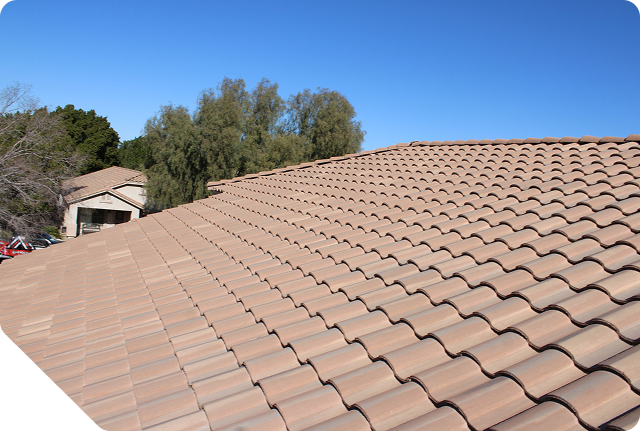
Clay Tiles
We find a descent amount of roofs with clay tiles on them. Clay tiles are generally one of two types. Fired machine manufactured tile and hand mixed and hand formed clay tiles. Fired clay tiles are fairly durable and can be easily maintained. Hand-made clay tiles are not considered a roofing product by the local building codes due to their inherent variability and lack of durability. An independent roofing system is required to be installed under these hand-made clay tiles to provide the required water shedding properties of a roof system. Hand-made clay tiles cannot typically be walked on and special equipment must be used to traverse these tiles for making routine repairs and maintenance to the home and roof.
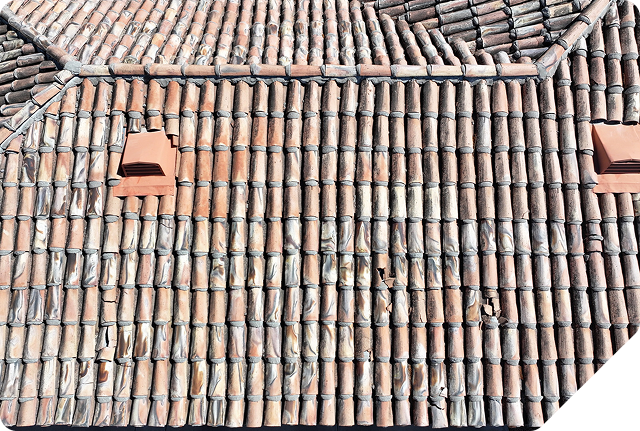
Things we are looking for are:
- Problems with sagging roof trusses or decking
- Leaks, stains and decay
- General condition of tiles
- Damage to tiles
- If flashings are installed correctly and functioning
- What repairs or maintenance is recommended
Cedar Shakes
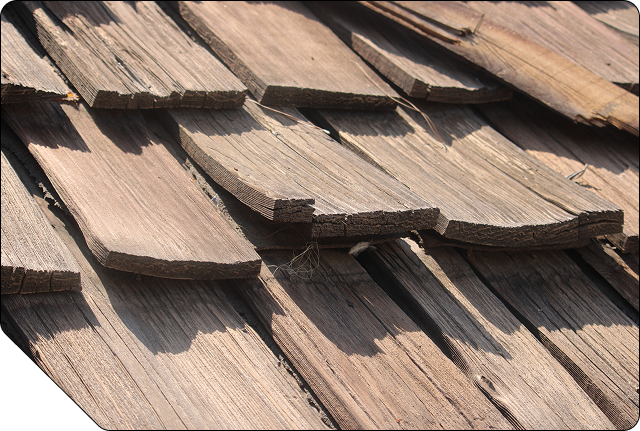
While not a very popular roofing material for our local climate, we still find some roofs with cedar shakes. The dry heat tends to make these shakes deteriorate much more quickly than they would in a less dry and hot climate. These roofs require a significant amount of regular maintenance. Natural wood shakes will curl, cup and split over time and if these weathered shakes are replaced routinely, these roofs can last a long time.
Things we are looking for are:
- Problems with sagging roof trusses or decking
- Leaks, stains and decay
- General condition of shakes – degree of weathering
- Installation Quality
- Damage
- If flashings are installed correctly and functioning
- What repairs or maintenance is recommended
Spray Polyurethane Foam
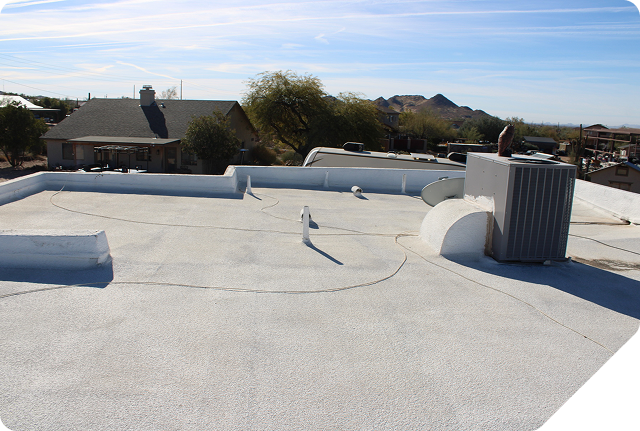
Spray Polyurethane Foam or SPF is a common roofing material for flat or low-sloped roofs in the Phx area. The foam is applied by mixing two liquid compounds through a pressurized spray nozzle in a uniform pattern over a roof. The foam expands and hardens, sealing around openings, roof penetrations (vent pipes etc.) and provides insulation properties. The foam is then coated with a flexible heat reflective paint that protects the foam from UV damage and general deterioration. This coating must be reapplied regularly.
Things we are looking for are:
- Problems with sagging roof trusses or decking
- Leaks, stains and decay
- General condition of foam degree of weathering
- Damage
- If flashings are installed correctly and functioning
- What repairs or maintenance is recommended
Modified Bitumen/Built-up Roof Membranes
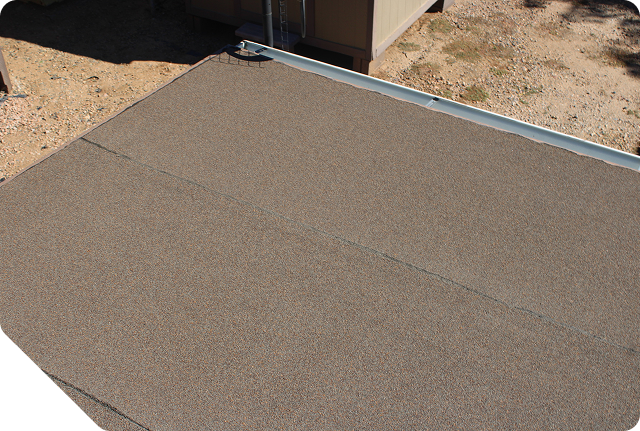
Many flat or low-sloped roofs in the Phx area surfaced with a modified bitumen (rubberized asphalt) membrane or built-up layers of different sorts. Some membranes are smooth fiber-based rolls and some are coated with a granule layer for protection. These membranes are often “peel-and-stick” or adhered to the roof surface with hot asphalt. Heat-reflective and protective coatings are often applied to the surface of these membranes.
Things we are looking for are:
- Problems with sagging roof trusses or decking
- Leaks, stains and decay
- General condition of membranes, granule-coated surfaces and/or protective coatings
- Damage
- If flashings are installed correctly and functioning
- What repairs or maintenance is recommended
Metal
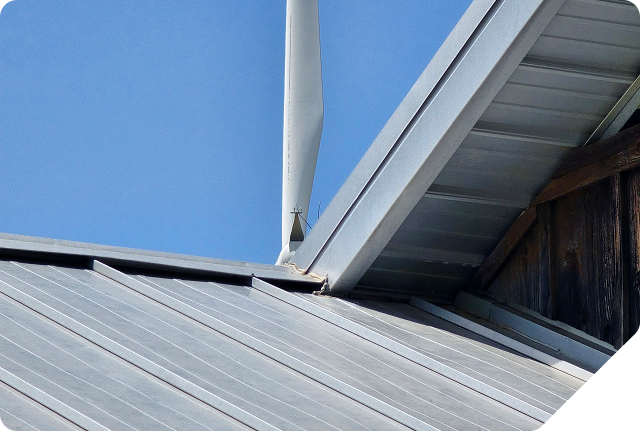
Metal roofs are not super common in the Phx area, but they do show up now and again. Metal roofing comes in many thicknesses and colors and profiles. There are even metal shingles that look like cedar shakes or clay/concrete tiles. Metal panels or shingles are nailed or screwed down to the roof decking.
Things we are looking for are:
- Problems with sagging roof trusses or decking
- Leaks, stains and decay
- General condition of metal panels or shingles – rust, cripples or holes
- Damage
- If flashings are installed correctly and functioning
- What repairs or maintenance is recommended